

How Much Is Your Home Really Worth? Here's What to Consider Before You Sell
As a Colorado homeowner, it's only natural to wonder what your house is worth—especially with the market changing as quickly as it has. Maybe you're dreaming about your next move, or just curious what your biggest investment could earn you if you decided to sell.
With so much information online, it might seem like figuring out your home’s value should be easy. But as helpful as those instant estimates can be, they’re often just that—estimates. Real value comes from understanding your local market, your home's unique features, and what buyers in your area are really willing to pay.
Let’s walk through a few things I share with my own clients when they want a clearer picture of their home’s worth—without jumping straight to listing.
1. Start with Your Property Tax Bill
Your property tax bill isn’t a perfect reflection of your home’s market value—but it can be a helpful starting point. Every city and county handles assessments a little differently, and most homes are reassessed every few years. If your last assessment was recent, it might give you a general idea of your home’s value today.
That said, take it with a grain of salt. Property assessments are based on formulas and past appraisals, which may not reflect updates you’ve made or current market demand. If your home was last appraised when you bought it years ago, the assessed value could be way off—higher or lower than what buyers would actually pay right now. That’s where local expertise (like mine!) comes in handy to help you get a clearer picture.

2. Take a Look at What’s Recently Sold Nearby
One of the best ways to get a feel for your home’s value is by looking at similar homes that have sold in your neighborhood—what we in real estate call comps. These are homes that closely match yours in size, layout, and location, and ideally, they’ve sold in the past three to six months.
To be truly useful, comps should be as similar as possible to your home—think number of bedrooms and bathrooms, square footage, lot size, and even the style or materials used. The closer the match, the more accurate your estimate will be.
You can absolutely start by doing some digging on your own—just make sure you're comparing apples to apples. It’s easy to be drawn to the gorgeous luxury home down the street, but if yours doesn’t offer the same features or finishes, it’s not a fair comparison. Be honest with yourself and use recent, relevant sales to guide your expectations.
Need help making sense of the data? That’s what I’m here for—I’ll help you find the right comps and break down what they mean for your home's market value.
 |
 |
3. Pay Attention to Inventory in Your Area
Sometimes, what your home is worth isn’t just about what it is—it’s about what’s available. When there aren’t many homes for sale in your neighborhood, demand can drive prices up, even for homes that need some work. Fewer listings mean buyers have fewer choices, which can work in your favor if you're thinking of selling.
On the flip side, if there are lots of similar homes on the market, buyers have more negotiating power, and pricing aggressively becomes even more important.
While markets like the Bay Area are known for extreme inventory shortages, the same concept applies here in Colorado, too. A quick look at how many homes are currently listed in your area can give you some helpful insight into how competitive your home might be—and whether you’re in a strong position to ask top dollar.
Not sure how your neighborhood stacks up? I’d be happy to walk you through the numbers.
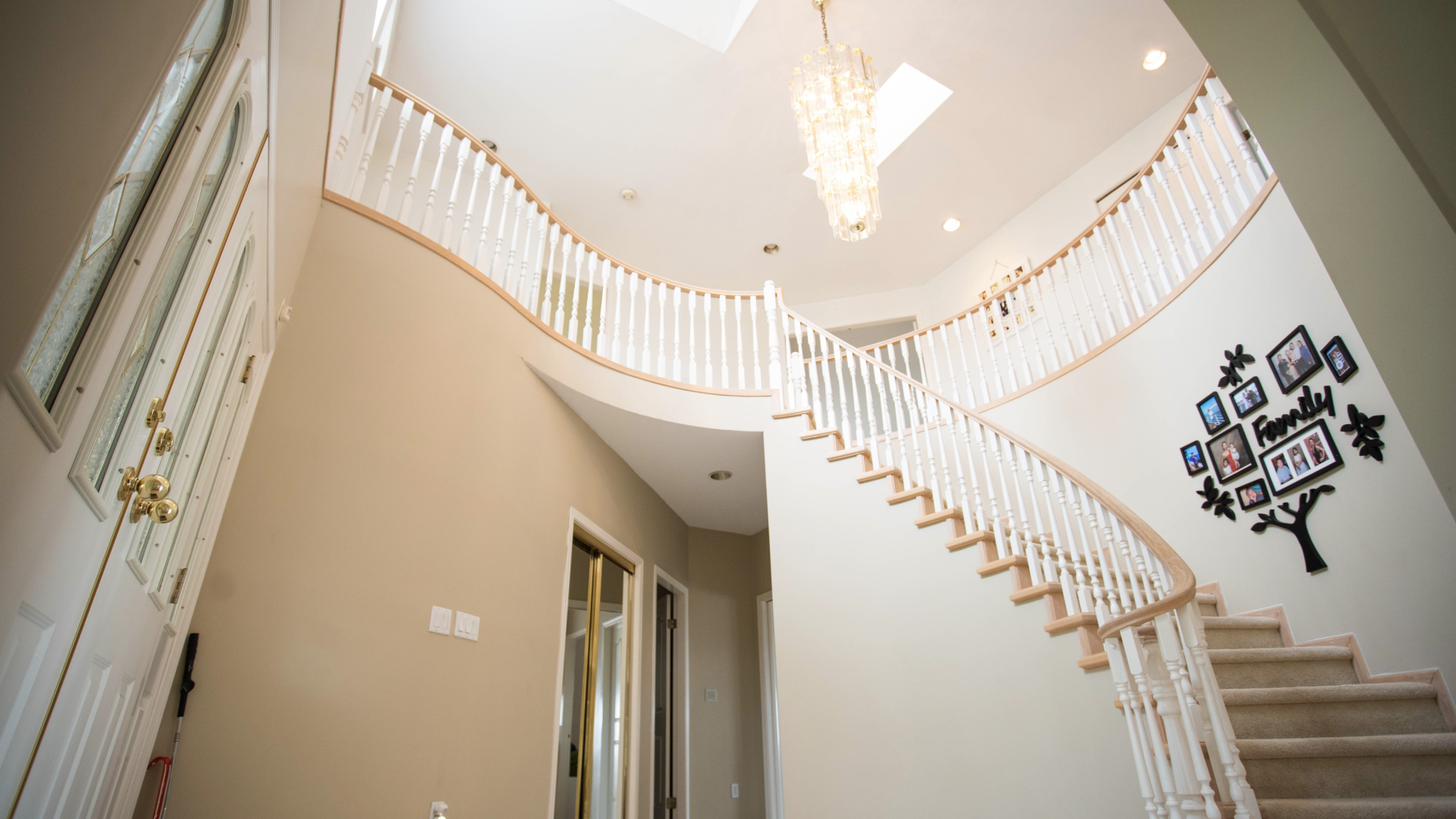
4. Try an Online Valuation Tool (Just Don’t Rely on It Alone)
Online home value tools are everywhere these days—and while they can be a helpful place to start, they aren’t always spot-on. Most of these tools use recent sales data and algorithms to estimate your home’s value based on comps, but they’re not great at accounting for the things that truly make your home unique.
Unlike a real person, an algorithm hasn’t walked through your house. It can’t see your updated kitchen, custom finishes, or that amazing backyard you’ve poured love into. That’s why sites like Zillow or Trulia often miss the mark when it comes to the final sale price.
They tend to be more accurate for newer homes in cookie-cutter neighborhoods where sales are frequent—but if your home has character or upgrades, it’s best to take those numbers as a loose range, not the final word.
Still curious? Tools like the Federal Housing Finance Agency’s Home Price Calculator can give you a quick snapshot based on when you bought your home and how the market has shifted. And if you’re ready for something a little more accurate and personalized, I’m always here to help with a no-pressure, local expert opinion.